
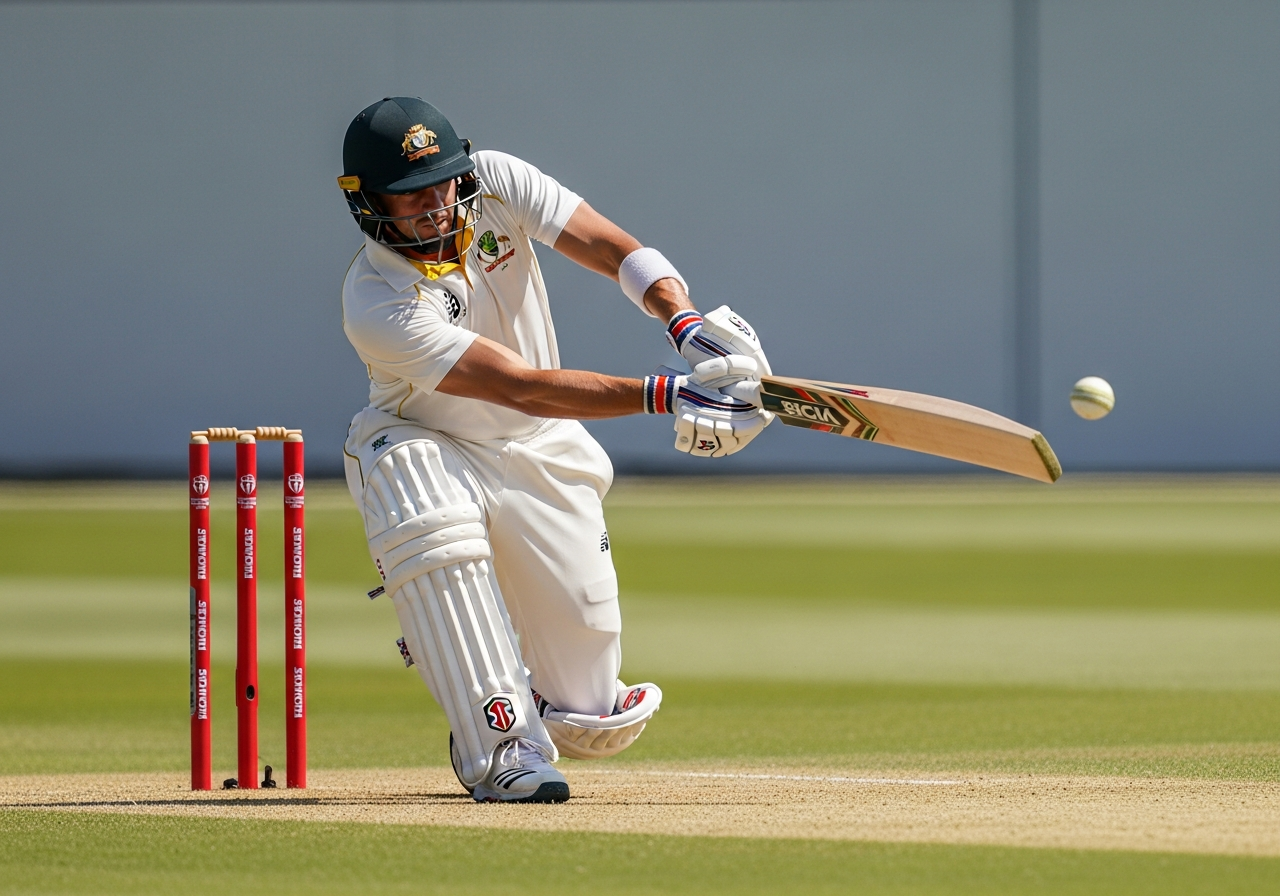
The Indian Premier League has evolved into a spectacle of explosive batting displays, with teams like Sunrisers Hyderabad and Kolkata Knight Riders setting unprecedented benchmarks that have fundamentally reshaped cricket betting markets. SRH’s monumental 287/3 against Royal Challengers Bangalore and KKR’s remarkable 272/7 represent more than just statistical milestones—they’ve created new paradigms for how Indian bettors approach highest team score markets across IPL seasons.
This comprehensive guide explores the intricate world of betting on IPL’s highest team totals, drawing from official records while emphasizing responsible gambling practices. We’ll dissect key markets, analyze venue impacts, examine strategic approaches, and provide essential risk management frameworks specifically tailored for Indian cricket betting enthusiasts navigating these high-variance, potentially rewarding markets.
IPL Highest Team Score Records That Shape Betting Odds
The landscape of IPL team totals has undergone a dramatic transformation, with record-breaking innings becoming increasingly frequent and influential in determining betting lines. These extraordinary performances create lasting impacts on how bookmakers set over/under markets and team total bands, while simultaneously affecting bettor psychology and expectations for future matches.
Understanding these records provides crucial context for betting decisions, as they represent the upper limits of what’s achievable under optimal conditions. The data reveals clear patterns in scoring evolution, venue preferences, and team capabilities that directly translate into actionable betting intelligence for Indian punters seeking value in highest team score markets.
| Score | Team | Opposition | Venue | Season | Key Batters / Strike Rate | Betting Takeaway |
|---|---|---|---|---|---|---|
| 287/3 | SRH | RCB | Rajiv Gandhi Stadium | 2024 | Head 102* (41), Klaasen 67 (31) | 280+ totals possible on flat tracks |
| 272/7 | KKR | DC | Eden Gardens | 2024 | Salt 68 (33), Narine 85* (39) | 270+ achievable with deep batting |
| 263/5 | RCB | PWI | Chinnaswamy | 2013 | Gayle 175* (66), Kohli 23 | Historic benchmark for big totals |
| 246/5 | CSK | RR | Chepauk | 2010 | Raina 100* (53), Dhoni 72* (34) | Early IPL scoring benchmark |
| 240/2 | MI | RR | Wankhede | 2017 | Lewis 91* (54), Yadav 70* (38) | Mumbai’s blueprint for big scores |
| 235/2 | KXIP | CSK | Mohali | 2014 | Miller 101* (38), Maxwell 95 (43) | Power-hitting exhibition template |
These record totals significantly influence how bookmakers approach line-setting for highest team score markets, with each milestone pushing the boundaries of what’s considered achievable. The progression from the 246-mark in early IPL seasons to the recent 287/3 demonstrates cricket’s evolution toward more aggressive batting approaches and favorable conditions for run-scoring across different venues and match situations.
Shift from 260+ to 280+ Era in IPL Scoring
The IPL has witnessed a remarkable transformation in team scoring patterns, with the traditional ceiling of 260+ runs being consistently breached in recent seasons. RCB’s 263/5 against Pune Warriors in 2013, anchored by Chris Gayle’s legendary 175*, held the record for over a decade before SRH’s explosive 287/3 redefined what’s possible in T20 cricket.
This scoring evolution reflects multiple factors including improved batting techniques, enhanced power-hitting capabilities, strategic field restrictions exploitation, and increasingly batter-friendly pitch preparations across IPL venues. The jump from occasional 240+ scores to routine 270+ totals has fundamentally altered betting market expectations and bookmaker approaches to setting team total lines.
For Indian bettors, this shift means traditional benchmarks for “high-scoring” matches have become outdated, requiring updated analytical frameworks that account for the new normal in IPL run-scoring patterns and their implications for highest team score betting strategies.
What These Record Totals Mean for Highest-Score Markets
Record totals create significant psychological impacts on both bookmakers and bettors, often leading to inflated expectations and mispriced markets in subsequent matches. The outlier nature of 280+ scores can cause bettors to overestimate the likelihood of similar totals, creating opportunities for sharp money to exploit these cognitive biases in highest team score betting.
Bookmakers typically adjust their over/under lines and team total bands following record-breaking performances, but market corrections often lag behind actual probability changes. This creates temporary inefficiencies where experienced bettors can find value by distinguishing between genuine scoring trend shifts and one-off exceptional performances driven by specific match conditions.
The key for Indian punters lies in understanding that while records like SRH’s 287/3 are possible, they remain statistical outliers requiring perfect combinations of batting form, pitch conditions, bowling weaknesses, and tactical execution that rarely align in regular IPL fixtures.
Key Betting Markets for Highest Team Scores in IPL
The IPL betting landscape offers diverse market options for team total wagering, each with distinct characteristics and strategic considerations for Indian bettors. Understanding these markets’ mechanics enables more informed decision-making and better value identification across different betting scenarios and match situations.
Pre-match and in-play team total markets operate under different dynamics, with live betting responding rapidly to on-field developments while pre-match lines reflect broader statistical expectations. Each market type requires specific analytical approaches and risk management strategies to maximize long-term profitability for serious cricket bettors.
- Over/Under Team Totals: Standard lines typically set around 160-180 for most teams, with premium sides like SRH or KKR seeing lines of 170-190 depending on venue and opposition bowling strength
- Team Total Runs Bands: Bracket betting covering ranges like 140-159.5, 160-179.5, 180-199.5, with enhanced odds for extreme bands like 220+ or 240+ that offer significant payout potential
- Milestone Markets: Simple yes/no bets on teams reaching specific targets like 150+, 180+, 200+, or 220+, with odds reflecting historical frequency and match-specific factors
- Highest Individual Innings: Tournament-long markets on which team will post the single highest total, offering season-long engagement with substantial odds variation throughout the competition
- Match Highest Team Score: Head-to-head betting on which team posts the higher total regardless of match outcome, particularly valuable in high-scoring encounters on batting-friendly tracks
- First Innings Totals: Specialized markets focusing specifically on the team batting first, crucial for understanding toss impact and pitch behavior patterns across different venues
- Century Partnerships: Related markets on 100+ run partnerships that often correlate strongly with highest team score potential and provide additional betting dimensions for comprehensive strategies
How Over/Under and Runs Bands Work in Practice
Over/under team total betting represents the most straightforward approach to highest score wagering, with bookmakers setting lines based on team form, venue history, and opposition bowling strength. For example, SRH might face a 184.5 runs line at Rajiv Gandhi Stadium against a weaker bowling attack, requiring careful analysis of recent scoring patterns and pitch conditions to identify value opportunities.
Runs bands offer more granular betting options with enhanced odds for precise prediction ranges, typically structured in 20-run intervals with significant payout increases for extreme bands. A team scoring 220-239.5 might offer 8/1 odds compared to 2/1 for the standard 160-179.5 band, reflecting the lower probability but higher reward potential for exceptional scoring performances.
Understanding implied probabilities within these market structures enables Indian bettors to identify mathematical edges where bookmaker odds exceed actual likelihood percentages, particularly valuable in volatile T20 cricket where small sample sizes can create temporary market inefficiencies ripe for exploitation by prepared analysts.
Grounds, Conditions and Their Impact on IPL Team Totals
Venue selection plays a crucial role in determining IPL team scoring potential, with ground dimensions, pitch characteristics, weather patterns, and altitude combining to create distinct environments that favor different scoring ranges. Understanding these venue-specific factors enables more accurate prediction of team total ranges and better identification of value in highest score betting markets.
The impact of ground conditions extends beyond simple boundary distances to include pitch preparation methods, local weather patterns affecting dew formation, and historical scoring trends that reveal each venue’s true character. Indian bettors must analyze these multifaceted venue influences to make informed decisions about team total betting across IPL’s diverse stadium portfolio.
| Venue | City | Reputation (High/Medium/Low Scoring) | Notable High Totals | Average First-Innings Score (T20/IPL trend) | Betting Angle on Highest Team Score |
|---|---|---|---|---|---|
| Chinnaswamy Stadium | Bengaluru | High Scoring | 263/5 (RCB), 235/2 (MI) | 175-185 | Over 180.5 often value, 220+ worth consideration |
| Rajiv Gandhi Stadium | Hyderabad | High Scoring | 287/3 (SRH), 231/2 (SRH) | 170-180 | SRH home advantage, extreme totals possible |
| Wankhede Stadium | Mumbai | High Scoring | 240/2 (MI), 218/4 (RR) | 165-175 | Dew factor crucial, second innings boost |
| Eden Gardens | Kolkata | Medium-High Scoring | 272/7 (KKR), 205/5 (KKR) | 160-170 | KKR home strength, 250+ achievable |
| Arun Jaitley Stadium | Delhi | Medium Scoring | 224/2 (SRH), 206/5 (RR) | 155-165 | Weather dependent, under 170.5 often safe |
| MA Chidambaram | Chennai | Medium Scoring | 246/5 (CSK), 202/5 (MI) | 150-160 | Spin-friendly, lower totals typical |
| JSCA Stadium | Ranchi | Low-Medium Scoring | 185/3 (CSK), 178/6 (MI) | 145-155 | Conservative betting, under markets favored |
Weather conditions, particularly humidity and dew formation, significantly impact team scoring patterns throughout IPL seasons. Evening matches in coastal cities like Mumbai and Chennai often see dramatic differences between first and second innings scoring rates due to dew making ball gripping difficult for bowlers.
Ground dimensions vary considerably across IPL venues, with shorter boundaries at grounds like Chinnaswamy (approximately 60-65 meters) creating more six-hitting opportunities compared to larger venues like Eden Gardens where placement and running between wickets become more crucial for building substantial team totals.
Dew, Toss and Their Role in Team Score Betting
The toss outcome significantly influences team total betting strategies, particularly in venues prone to heavy dew formation during evening matches. Teams winning the toss in dew-affected conditions often choose to field first, knowing that batting second provides substantial advantages as moisture makes ball gripping extremely difficult for bowlers, leading to higher run-scoring rates in the second innings.
Dew impact varies by geographic location and season timing, with coastal venues like Mumbai and Chennai experiencing more pronounced effects compared to inland venues like Bengaluru or Hyderabad. Understanding these patterns helps Indian bettors adjust their team total expectations based on toss outcomes and local weather forecasting data.
Smart money often waits for toss results before placing team total bets in dew-prone venues, as the batting order significantly affects scoring probability. Teams batting second in heavy dew conditions can see their expected totals increase by 15-25 runs compared to batting first on the same pitch, creating substantial betting line value for those who understand these environmental impacts.
Reading Pitches and Weather Beyond Simple Averages
Pitch analysis extends far beyond venue averages to include recent match outcomes, practice session observations, and curator preparation methods that vary based on weather patterns and ground maintenance schedules. Fresh pitches typically favor batsmen more than worn surfaces that have hosted multiple matches in quick succession.
Weather forecasting becomes crucial for team total betting, with factors like wind direction affecting six-hitting ease, temperature impacting ball hardness and carry, and humidity levels influencing swing bowling effectiveness. These subtle environmental factors combine to create conditions that can shift expected team totals by 10-20 runs from historical venue averages.
Professional bettors track pitch preparation patterns throughout IPL seasons, noting how different curators respond to weather conditions and team preferences. This detailed analysis reveals when venues deviate from their typical scoring patterns, creating opportunities for value betting in team total markets that rely heavily on historical statistical baselines.
Team and Player Profiles: Who Drives Massive IPL Totals?
Certain IPL teams consistently demonstrate superior capability for posting exceptional team totals through strategic batting depth, power-hitting expertise, and tactical match situation management. Understanding these team-specific strengths and player combinations enables more accurate assessment of highest score potential in different match scenarios and conditions.
Individual player profiles within teams reveal crucial insights about scoring pattern sustainability, with some line-ups heavily dependent on specific batsmen while others possess deep batting resources capable of multiple scoring burst scenarios. These structural differences significantly impact team total betting strategies and value identification across various market options.
- Sunrisers Hyderabad: Travis Head’s aggressive approach combined with Heinrich Klaasen’s finishing power creates explosive top-order platform, supported by home venue advantages at Rajiv Gandhi Stadium with shorter boundaries favoring their power-hitting style
- Kolkata Knight Riders: Sunil Narine’s unique top-order role alongside Phil Salt provides early acceleration, while deep batting featuring Andre Russell and Rinku Singh ensures sustained scoring throughout innings regardless of early dismissals
- Royal Challengers Bangalore: Virat Kohli’s consistency anchors aggressive approaches from overseas players, with Chinnaswamy Stadium’s dimensions perfectly suited to their boundary-heavy scoring philosophy and power-play exploitation strategies
- Mumbai Indians: Traditional strength in middle-order acceleration through players like Hardik Pandya and Suryakumar Yadav, combined with Wankhede Stadium conditions that favor their calculated aggression approach in death overs
- Chennai Super Kings: MS Dhoni’s tactical acumen maximizes scoring opportunities through strategic acceleration phases, though overall totals typically lower due to spin-friendly home conditions and conservative approach preferences
- Punjab Kings: Inconsistent but explosive potential through overseas batsmen combinations, capable of massive totals when top-order fires but lacking depth for consistent high-scoring performances across multiple matches
- Rajasthan Royals: Sanju Samson’s leadership combined with Jos Buttler’s game-changing ability creates feast-or-famine scenarios, requiring careful match-by-match analysis rather than season-long statistical reliance
Bowling Attacks and Match-ups that Allow Record Scores
Weak bowling line-ups create ideal conditions for record-breaking team totals, with teams lacking quality pace bowling depth particularly vulnerable to explosive batting displays. RCB’s bowling struggles in recent seasons have contributed to several opposition teams posting massive totals, highlighting how bowling weaknesses directly translate into highest score betting opportunities.
Pace bowling match-ups become crucial in Indian conditions where swing bowling effectiveness diminishes rapidly under lights, leaving teams overly dependent on pace bowling vulnerable to late-order acceleration phases. Teams with weak death bowling statistics consistently allow opposition teams to post totals 15-20 runs above venue averages.
Spin bowling quality significantly impacts venue-specific scoring patterns, with teams possessing strong spin attacks gaining substantial advantages at traditional turning tracks like Chennai and Delhi. Understanding these bowling match-up dynamics helps identify matches where team total lines might be mispriced based on general team strength rather than specific bowling vulnerabilities.
Using IPL Records to Build a Highest-Team-Score Betting Strategy
Developing systematic approaches to highest team score betting requires balancing historical record analysis with current form assessment and venue-specific adaptations. Successful strategies integrate multiple data sources while maintaining disciplined risk management protocols that account for the high variance inherent in extreme scoring outcome betting.
Different strategic approaches suit different bettor profiles and bankroll sizes, from conservative venue-based strategies focused on consistent value identification to aggressive record-chasing approaches targeting exceptional payout opportunities. Understanding these strategic variations enables Indian bettors to select approaches aligned with their risk tolerance and betting objectives.
| Approach | Data Used (records, averages, form) | When It Works Best | Key Risks | Example Scenario |
|---|---|---|---|---|
| Records-Only Strategy | Historical venue highs, team records, extreme total frequency | High-scoring venues, strong batting line-ups, favorable conditions | Ignores current form, overestimates outlier frequency | SRH at Hyderabad based solely on 287/3 record |
| Form-Adjusted Records | Recent team performance, player form, venue records, opposition analysis | Mid-season when form patterns establish, clear team strengths emerge | Form fluctuations, sample size limitations, market efficiency | KKR with Narine in form at Eden Gardens |
| Venue-Specific Adaptation | Ground averages, conditions, toss impact, weather patterns | Clear weather conditions, predictable venue behavior, consistent teams | Weather changes, pitch variations, team tactical shifts | Chinnaswamy evening match with clear skies |
| Conservative Value-Based | Mathematical probabilities, line value, bankroll management | Long-term profitability focus, consistent edge identification | Lower returns, missing explosive opportunities, market efficiency | Under 175.5 at Chennai with strong bowling match-ups |
| Aggressive Record-Chasing | Extreme outcome targeting, high payout potential, outlier identification | Perfect condition alignment, strong team combinations, favorable match-ups | High variance, bankroll volatility, emotional decision-making | 250+ total bets during optimal batting conditions |
| Hybrid Multi-Factor | All available data weighted by reliability and relevance | Sufficient data availability, clear analytical frameworks, disciplined execution | Analysis paralysis, over-complexity, time-intensive preparation | Comprehensive pre-match analysis with live adjustment capability |
Risk-adjusted approaches emphasize bankroll preservation while maintaining exposure to potentially profitable high-variance betting opportunities. Successful highest-team-score betting requires accepting that most extreme outcome bets will lose while ensuring that winning bets generate sufficient returns to overcome the natural loss frequency inherent in these markets.
Calibrating Expectations: Records vs Typical Scores
Record scores like SRH’s 287/3 represent exceptional convergences of favorable conditions that occur infrequently even for the strongest batting line-ups in optimal venues. Smart bettors use these records as ceiling markers rather than expected outcomes, recognizing that typical high scores fall 40-60 runs below record levels even in similar conditions.
Statistical analysis reveals that 270+ scores occur in less than 1% of IPL matches, while 200+ totals appear in approximately 15-20% of matches depending on venue and season conditions. These frequency patterns should guide stake sizing and expectation management for highest team score betting strategies across different total ranges.
Effective calibration involves identifying when multiple favorable factors align to justify increased confidence in above-average scoring potential, rather than chasing record-level outcomes based on single favorable indicators. This disciplined approach improves long-term profitability while reducing the emotional volatility associated with extreme outcome betting in IPL markets.
Sample Pre-Match Analysis Workflow for a Single IPL Game
- Venue Assessment: Research ground dimensions, recent match scoring patterns, pitch preparation reports, and weather forecasting data to establish baseline scoring expectations for both teams
- Team Form Analysis: Evaluate recent batting performances, key player form, injury reports, and tactical changes that might impact scoring approach and capability in current match conditions
- Opposition Bowling Analysis: Study bowling attack strengths and weaknesses, recent economy rates, death bowling statistics, and specific player match-ups that favor or hinder high-scoring outcomes
- Conditions Integration: Combine venue characteristics with current weather conditions, expected dew impact, and toss advantage factors to adjust baseline expectations for match-specific circumstances
- Line Value Assessment: Compare analytical projections with available betting lines across multiple platforms to identify value opportunities in over/under and band markets
- Toss Response Preparation: Develop contingency plans for different toss outcomes, including live betting adjustments based on batting order impacts in venue-specific conditions
- Stake Size Determination: Calculate appropriate bet sizes based on perceived edge magnitude, bankroll management principles, and market variance characteristics for selected betting positions
Live Betting on IPL Team Totals from India
Live betting transforms team total wagering through real-time line adjustments that respond immediately to on-field developments, wicket falls, and scoring rate changes. Indian bettors gain significant advantages by understanding how live markets react to powerplay performance, middle-order partnerships, and death-over execution compared to pre-match expectations.
In-play team total markets offer enhanced value identification opportunities as bookmakers struggle to perfectly price rapidly changing match situations, particularly during explosive batting partnerships or bowling breakthrough periods that dramatically alter final total probabilities within short timeframes.
- Powerplay Response Strategy: Monitor first six over scoring rates compared to venue averages, with exceptional starts (60+ runs) or poor performances (35- runs) creating value opportunities in adjusted total lines
- Partnership Momentum Tracking: Identify when settled batting partnerships reach acceleration phases, particularly between overs 10-15 when established batsmen typically increase scoring rates before death-over assault
- Weather Impact Monitoring: Watch for real-time dew formation or wind changes that affect ball carry and bowling grip, creating conditions that favor different scoring patterns than pre-match expectations
- Bowling Change Exploitation: Recognize when teams introduce weaker bowling options or exhaust their strongest bowlers early, creating opportunities for batting acceleration that live lines may not fully reflect
- Death Over Preparation: Assess middle-order batting depth and established batsman strike rates heading into final five overs, where explosive scoring bursts can add 40-60 runs to team totals
- Wicket Fall Reactions: Understand how different wicket timings impact team total potential, with early wickets affecting powerplay optimization while late wickets can halt momentum during crucial acceleration phases
- Target Adjustment Psychology: Recognize when teams batting second adjust their approach based on chase requirements, potentially leading to different scoring patterns than first innings on identical pitches
Key In-Play Indicators for Big IPL Totals
Established batsmen reaching personal milestones often signal increased aggression phases that can produce rapid scoring bursts, particularly when approaching centuries or significant partnership landmarks. These psychological triggers frequently coincide with tactical bowling changes that create scoring opportunities for prepared live bettors monitoring partnership dynamics.
Death bowling effectiveness becomes clearly apparent through economy rates and boundary frequency in overs 16-20, where even minor bowling inefficiencies can result in 15-25 additional runs compared to typical death-over performance. Live bettors can exploit these patterns by recognizing when bowling attacks lack depth or experience in high-pressure finishing situations.
Pitch behavior changes throughout innings due to moisture levels, wear patterns, and lighting conditions that affect ball visibility and bounce consistency. Experienced live bettors track these subtle changes through boundary frequency, mishit rates, and bowler adjustment patterns to identify when conditions shift toward more favorable scoring environments mid-innings.
Risk Management and Responsible IPL Betting for Indian Users
Highest team score betting involves significant variance that requires disciplined bankroll management and emotional control to maintain long-term profitability. Indian bettors must establish clear protocols for stake sizing, loss limits, and cooling-off periods to prevent the emotional decision-making that frequently destroys betting accounts in high-variance markets.
Responsible gambling practices become particularly crucial when betting on extreme outcomes where winning streaks can create overconfidence while losing streaks test psychological resilience. Successful highest-team-score betting requires accepting high loss frequencies while maintaining confidence in analytical approaches during inevitable downswings.
- Establish Clear Bankroll Limits: Allocate no more than 2-5% of total betting bankroll to highest-team-score markets, with individual bet sizes capped at 0.5-1% regardless of perceived edge magnitude
- Implement Cooling-Off Protocols: Set mandatory break periods after significant losses or winning streaks to prevent emotional decision-making and maintain analytical objectivity during volatile betting periods
- Track Betting Performance Metrics: Monitor strike rates, average returns, and variance patterns across different bet types and market conditions to identify profitable approaches and eliminate losing strategies
- Set Session Loss Limits: Establish daily or session-based loss thresholds that trigger automatic betting cessation, preventing tilt-induced poor decision-making during unfavorable variance periods
- Diversify Betting Approaches: Avoid concentration in single market types or teams, spreading risk across multiple betting strategies and match types to reduce overall portfolio variance
- Regular Strategy Review: Conduct weekly or monthly analysis of betting results to identify patterns, successful approaches, and areas requiring strategic adjustment based on actual performance data
- Maintain Realistic Expectations: Accept that extreme outcome betting naturally involves extended losing periods and focus on long-term edge exploitation rather than short-term profit maximization
Structuring Stakes for High-Variance Total Markets
Flat-staking approaches work best for highest-team-score betting, with consistent bet sizes regardless of perceived edge magnitude or recent results. This disciplined approach prevents the stake escalation that often destroys bankrolls during losing streaks while ensuring adequate exposure to profitable opportunities during winning periods.
Extreme outcome betting requires accepting that 70-80% of bets may lose even with sound analytical approaches, making it crucial to limit individual bet sizes to levels that allow for extended losing streaks without depleting betting capital. Professional bettors typically risk no more than 0.5% of bankroll per highest-team-score bet regardless of odds or confidence levels.
Portfolio diversification across different total ranges and market types helps smooth variance while maintaining exposure to profitable betting opportunities. Rather than concentrating on 250+ total bets with extreme odds, successful strategies often include a mix of over/under, band betting, and milestone markets with varying risk-return profiles.
Recognising and Avoiding Tilt After Big Swings
Emotional decision-making frequently follows both big wins and significant losses in highest-team-score betting, with bettors either becoming overconfident after successful extreme outcome bets or desperately chasing losses with increasingly poor betting selections. Recognizing these psychological patterns enables proactive countermeasures that preserve bankroll and analytical objectivity.
Predetermined cooling-off routines should automatically activate after pre-defined profit or loss thresholds, removing the emotional decision about whether to continue betting during psychologically vulnerable periods. These breaks allow for objective result analysis and strategic reassessment without the pressure of immediate betting decisions.
Focusing on process rather than results helps maintain analytical discipline during both winning and losing streaks, with emphasis on bet selection quality and adherence to predetermined strategies rather than short-term profit and loss fluctuations that characterize high-variance betting markets.
Legal and Practical Considerations for Betting on IPL from India
The legal landscape for sports betting in India varies significantly by state, with some regions permitting certain forms of cricket betting while others maintain strict prohibitions. Indian bettors must understand their local legal environment and choose platforms that comply with applicable regulations while providing adequate consumer protection and dispute resolution mechanisms.
Practical considerations including payment methods, currency support, taxation implications, and platform reliability become crucial factors when selecting betting operators for IPL team total wagering. Understanding these operational aspects ensures smooth betting experiences and protects against potential legal or financial complications.
| Aspect | What Indian Bettors Should Know | Impact on Highest-Team-Score Betting | Practical Tip |
|---|---|---|---|
| State-Specific Laws | Laws vary by state, some permit skill-based betting while others prohibit all forms | May limit platform access or require offshore operators for team total markets | Consult local legal advice and verify state-specific regulations before betting |
| KYC Requirements | Identity verification mandatory for account creation and withdrawals | Affects withdrawal timing and betting account security for regular team total betting | Complete verification early to avoid withdrawal delays during profitable periods |
| Payment Methods | UPI, bank transfers, e-wallets vary in availability and processing times | Impacts live betting capability and bankroll management for time-sensitive markets | Test deposit/withdrawal methods before large transactions or crucial betting periods |
| Tax Obligations | Winnings may be subject to TDS and income tax reporting requirements | Affects net returns calculation and betting strategy profitability assessment | Maintain detailed records and consult tax professionals for significant winnings |
| Platform Licensing | International licenses don’t guarantee Indian legal compliance or consumer protection | Platform reliability crucial for high-stakes team total betting with significant variance | Research operator background, licensing jurisdiction, and dispute resolution procedures |
| Responsible Gambling Tools | Deposit limits, self-exclusion, and cooling-off periods should be available | Essential for managing high-variance betting and preventing problem gambling behaviors | Set limits during rational periods before emotional stress from winning or losing streaks |
Choosing Safe Platforms and Setting Personal Limits
- Verify Licensing and Regulation: Select platforms with established international gaming licenses from reputable jurisdictions like Malta, Curacao, or UK, ensuring regulatory oversight and consumer protection standards
- Test Payment Processing: Conduct small test transactions to verify deposit and withdrawal processing times, fees, and reliability before committing significant betting funds to platform accounts
- Research Customer Support Quality: Evaluate response times and problem resolution effectiveness through customer service channels, particularly important for live betting technical issues or withdrawal disputes
- Implement Account Security Measures: Enable two-factor authentication, use unique passwords, and regularly monitor account activity to prevent unauthorized access and protect betting funds from security breaches
- Set Comprehensive Betting Limits: Establish daily, weekly, and monthly deposit limits along with loss limits and session time restrictions to maintain control over betting activity and prevent excessive gambling
- Understand Terms and Conditions: Read platform policies regarding bonus terms, withdrawal requirements, and account restrictions to avoid unexpected limitations on betting activity or fund access